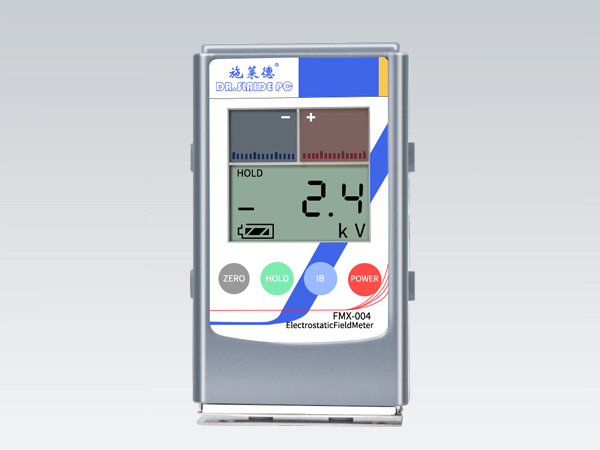
First of all, we need to understand the hazards of static electricity. ESD (Electrostatic Discharge) is the most significant and common hazard in the electronics industry and all high-precision technology industries based on electronic devices. Static electricity can inadvertently break down expensive electronic devices, causing functional disorders or even component damage in electronic products. Especially now, as the scale of semiconductor integrated components is getting larger and larger and the integrated voltage is getting lower and lower, their sensitivity to static voltage is also increasing. Even a very small static voltage can affect the operation of components and even break them down, causing significant losses. In many factories, it is common for the human body to carry static electricity. When workers touch components with their hands during operation, static electricity breakdown occurs, which is not visible to the naked eye. As a result, the circuit fails to pass the inspection during testing, leading to defective products.
The electrostatic eliminator is suitable for electrostatic dust removal in various processes of different industries such as circuit boards, plastic films, electroplated parts, coating, painting, non-ferrous metal plates, wires, and sheet production.
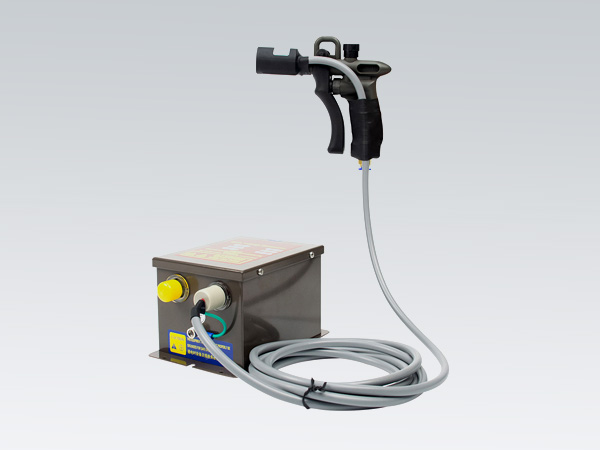
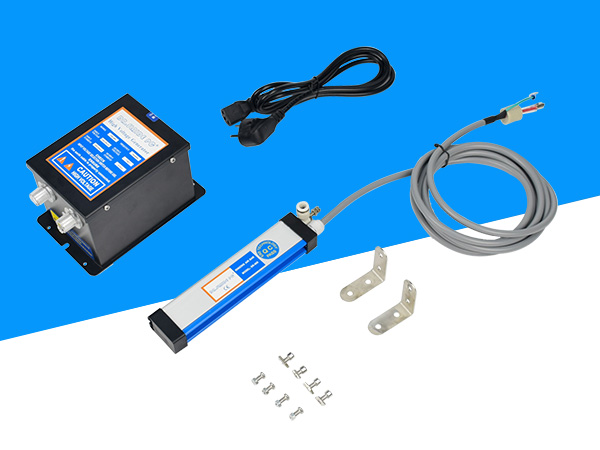
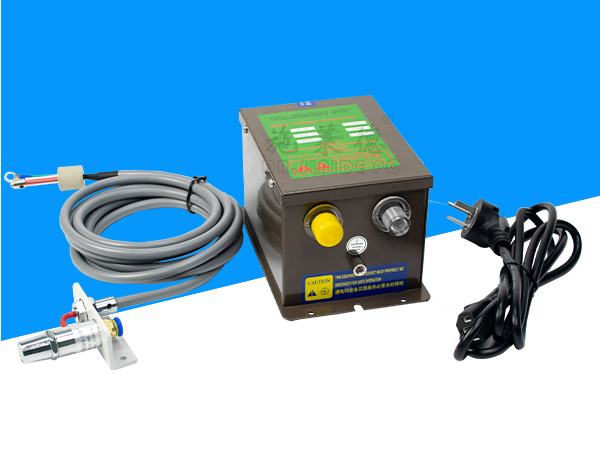
When the static eliminator is in operation, it generates positive and negative ion currents, which is very helpful for removing static electricity from light objects at close range. It is not a new star either, but in the long history of the development of anti-static equipment, it still holds a place, which shows that its application scope is still relatively wide. The application of static eliminators, based on their own characteristics, is most suitable for removing static electricity from items like films. The length and standard can both be customized according to the customer's requirements.
Here are some examples to illustrate the application of static eliminators:
1. Use a static eliminator to eliminate the static electricity on the surface of the coil material that is fast and highly charged.
2. Use an AC static eliminator or a pulsed DC static eliminator rod to "immerse" the components in ionized air to prevent static electricity from occurring.
3. Use an electrostatic eliminator to blow out high-speed and high-impact ionic air to remove the dust that has adhered to the outer surface of the goods.
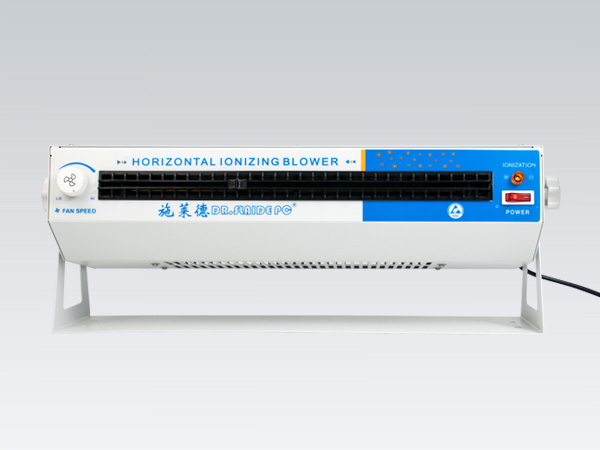
4. When producing boards or paper, they may attract or repel each other due to static electricity. For instance, if multiple sheets of paper or boards are fed in at once, it will affect the continuous operation of production. Static electricity eliminators can be used to generate ion air curtains to penetrate and eliminate static electricity, etc.
5. In screen printing, a pulse direct current static eliminator is used to eliminate static electricity on the "long-distance" screen.
Therefore, it is very necessary to do a good job in ESD protection in all industries. Human body protection should be done well, and static eliminators also need to be installed. They should be installed above each workstation!


 Mobile Website
 WeChat

 返回顶部
返回顶部